Showing posts with label printing. Show all posts

Friday, 20 May 2016

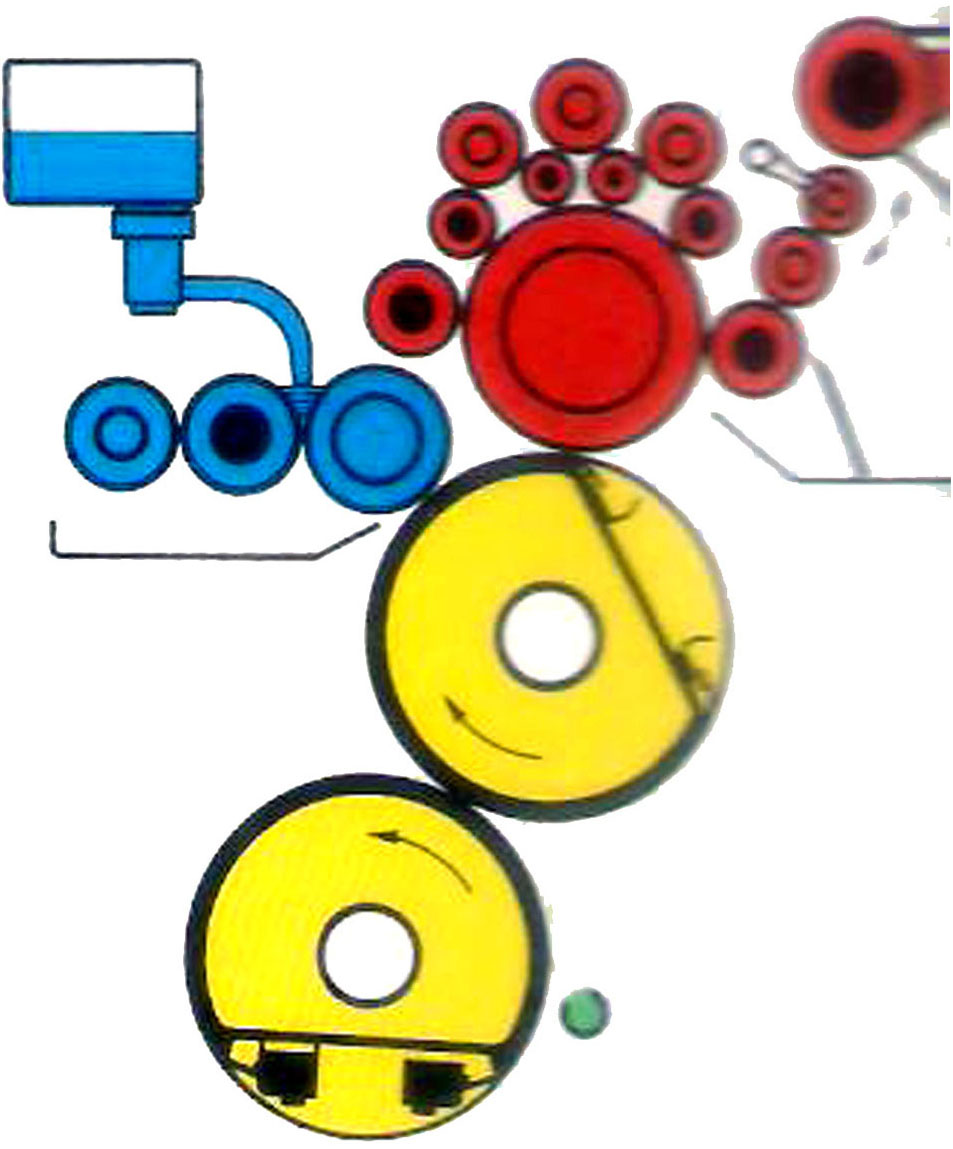
INK PROBLEMS IN PRINTING BOOK 1


As a publisher, we have to understand also why our book quality is not satisfactory. Especially when we print the  books by our self,  then it should have been investigated exactly what causes it. Books are our merchandise. When the display of our merchandise  seem dirty and untidy, then who will interested in buying our merchandise?

Sunday, 15 May 2016

PAPER HANDLING 2


5. Paper dusty and lots of paper powder

The paper is soiled by dust and powder used paper pieces can disturb the printing process. Dirt on the paper can contaminate the ink, blanket, plate and rollers conductor and eventually became dirty printouts anyway.

Therefore, before stacked on a table entry must be ensured paper in a clean state. The trick is to mengebas loose paper section by section until all the dust fall.

6. The paper stack too high

Accumulates printout on the table expenditure is too high may lead to set off. This is because the paper is on the top of the pile hit the bottom of the pile.

The fix is ​​to keep the pile is not too high, intermittently pile is taken and placed elsewhere. It could also put the plank intermediary legged in a pile so it does not press against each other.

7. Unmatching the type of paper and the type of ink compound

Paper coated eg Art Paper printed using ink that was supposed to non-coated paper, HVS example. As a result, too long time in ink drying process.

The fix is ​​to replace the ink that is appropriate to the type of the paper to be printed.

8. The paper quality is not good

Although both types of HVS, but due to different manufacturer's brands and sometimes the quality is not necessarily the same. When the paper against the ink absorption is not good, so the ink easily fade and easily uprooted or paper fiber, then the only way to resolve this problem  is to replace the better paper.

9. Mishandling the Paper

As a result of careless in bringing the paper, the paper can be wrinkled, crumpled and folded. The paper in this condition is difficult to repair. Paper that is wrinkled and dirty is not possible to print. We must replace the paper is still in good condition, not wrinkled and dirty.

How to bring a good paper is:

1. Keep the paper flat in a state of either horizontally or vertically, keep neat pile.
2. If the size is large and must be bent, then its bent should be in line with the paper and did not have until folded.
3. Do not be taken above the head or on the shoulders because the pile will not be maintained.
4. How to put it must be careful and not to be thrown.
5. Bring by the pallet better than simply by hand.


Friday, 13 May 2016

PAPER HANDLING 1


Now the paper to be printed into a book has been prepared in the warehouse. Before paper was prepared in the printing machine feeder must be ensured a really good condition for printing. Among the signs that paper in good condition for printing, namely: good moisture, flat and smooth surface, not curly edges, unsticky sheets , the pores evenly, dimensions and uniform color tone on all the piles of paper.

If the paper is not in good condition, then it should takes some treatments so that the paper is really ready to be printed. Here are some actions to be performed when the print paper is not in good condition.


1. Paper Too Humid

Paper condition is strongly influenced by the weather. Conditions are sometimes not ideal for printing, for example, is too moist. If the paper is too moist, it will be a long time to dry the ink. This resulted in the set off. Between the sheets one another with mutual sticky sheets and ink too sticking another sheet.

Paper that is too moist can lead to not register. This is caused by the expansion width size paper when it is moist. Put color jog or print color separation and shape the image being damaged by moisture on the paper is not the same. The time set registers happen to use paper moisture good and when a print process mixed with piles of paper that is too moist.

Paper that is too dry is not flexible, less flexible, crumbly, dusty, shrink , is charged static electricity and difficult to cultivate. Paper that is too wet easily torn, limp, expanding and slow to dry the ink. Good paper moisture is between 5 -10% of the weight of the paper.

The moisture level paper should not be absolutely certain percentage. Its humidity most appropriate level in accordance with the relative humidity of the print room. If need be slightly higher than in the printing room humidity levels. Thus, when the paper went to press several times already suffered too intrusive development.

When the paper is too dry, it can be conditioned by blowing blower moisturizer with humidity between 5 to 8% higher than the air humidity in the printing room. Old paper blowed until the moisture together with the air humidity in the room printing or fewer.

The humidity levels can be measured using a Hygrometer paper puncture. The trick is the end of the hygrometer is inserted into a stack of paper, at least 15 cm below the sheet of paper.

Especially for printing separations were really good quality not only necessary practical knowledge, but also the regular technical control. Working with only rely on approximately not justified in the modern enterprise. All must be measured with certainty using the tool.

2. Uniforms Paper's  Pores

The state of the pores paper effect on ink drying. Good paper can absorb the ink evenly, because the pores evenly across the surface of the paper. Similarly, porous paper (eg HVS) dry faster than paper that is not porous (Art Paper, for example).

Sometimes, for various reasons there is a paper that pores are not evenly distributed in the same sheet of paper. Therefore there is a local term drying. In one sheet of paper there is a part that is dry and there are other parts that have not been dried

The condition is caused by a wrong way of fentilation. Paper that is too dry if stacked in a humid room. The part that absorbs the humidity is only around the edges of the paper. Consequently the round piggirannya will expand, while the center is not, so that the paper be bulging in the middle. This is not only troublesome when passing track printing process also causes the edges dries more slowly than the middle.

Sometimes, for various reasons there is a paper that pores are not evenly distributed in the same sheet of paper. Therefore there is a local term drying. In one sheet of paper there is a part that is dry and there are other parts that have not been dried.

The condition is caused by the buildup of a wrong way. Paper that is too dry if stacked in a humid room. The part that absorbs the humidity is only around the edges of the paper. Consequently the round edges will expand, while the center is not, so that the paper be bulging in the middle. This is not only troublesome when passing track printing process also causes the edges dries more slowly than the middle.

And vice versa if the damp paper stacked in a dry, then only part that dries around the edges, while the center was not. This will cause the central part of the paper becomes concave. Impact on cetaknyapun same process, tangled, the register is not right, the middle part is slow to dry the ink.

3. Surface Paper Too Acid

If the paper is too acidic, the resulting ink becomes dry old. The paper surface becomes too acidic, especially when going to press several times, both for input and for print color separations. Paper printed acid in separation widened due to repeated wetting contact with an aqueous solution that is too acidic. The fix is ​​added desiccant (drier) on the ink and acidity in water is reduced. The ideal water pH is between 5.0 -6.5.

4 Different Sheet Pile of Paper 

This incident stems from a paper mill. In the paper mill, the paper out of the machine-shaped roller rolan paper. At the time the process of cutting into sheets, can be mixed when piled sheets from several different roller storage date. Printing in the warehouse was often the case, if we lack control over paper storage. Supposedly paper printed first come first and which come later printed later. But sometimes we are less careful, especially if overtime. Even so much so when it became a book and combed visible markings, white-third, one-third yellow, one-third somewhat whitish.

Things like that should not happen. In addition to the prints are less satisfactory because it is slow to dry so many who set off well finishing is also not good, mottled paper.


Thursday, 12 May 2016

PAPER FOR PUBLISHING


Once we are confident with our graphic design of the book and had no further corrections, then the next step is to create a master and paper shopping with qualifications such as in the production data. For that we need to know which store provides the paper in accordance with what we need, what size, and a shop where the most inexpensive price.

Tuesday, 10 May 2016

LIST OF SPARE PARTS IN PRINTING BOOK 1


Although we have no any printing machine, we should know the specification of many machines and tools used in our book production. We should know exactly about the things that are required in the production of the book. There are various sizes  of many components  of preprinting, printing machines, cutting machines and binding machine. This different sizes will greatly affect in determining the  book dimensions, paper type, ink type and color as well as in the making master, the designing of contents and cover.


Here are some list the size of various components of the printing machine relating to book production process. Here in part 1 we shall find 3 lists of : A, offset machine and its plate size, B. ink print type, C. dampening roll dimension.


A. List of Offset Machine and Plate Size

Multilith                            254 x 381 x 0,15
Toko                               254 x 394 x 0,15
Ryoby                             405 x 483 x 0,15
GTO 46                          457 x 381 x 0,15
Hamada                          467 x 400 x 0,15
GTO 52                          510 x 400 x 0,15
Thomson                         553 x 420 x 0,15
Mercedes                        570 x 506 x 0,20
Solna 125                        645 x 510 x 0,20
Kord                               650 x 550 x 0,30
Kors/Sorm                      724 x 615 x 0,30
Roland Fob                     730 x 610 x 0,30
Sord                               915 x 715 x 0,30
Parva IIC                       925 x 740 x 0,30
Sors                             1030 x 820 x 0,30
Oliver 58                       570 x 510 x 0,30


Monday, 9 May 2016

BOOK PUBLISHING PROCESS


A. Books

UNESCO in 1984 provides a definition of the book is: "The publication is printed, not periodic, that at least as many as 49 pages." (HG Andriese CS: Manage Publishing Book 1, Center Graphic Indonesia, 1993) If less than 49 pages, the name "brochure" not a book.

Thursday, 28 January 2016

BEBERAPA JENIS TINTA CETAK 2


10. W-5 OFFSET BLACK

Jenis ini digunakan untuk mencetak isi buku atau majalah yang berupa kertas : HVS, HVO, kertas koran.

11. W-107 OFFSET BLACK

Jenis ini digunakan untuk mencetak isi buku atau majalah yang berupa kertas : HVS, HVO, kertas koran dengan harga ekonomis.

12. FLUORECENT INK

Untuk offset biasa maupun Dry offset dengan warna fantastis.

Monday, 25 January 2016

DAFTAR ALAMAT PENERBIT BUKU BEKASI


1. PT. Balai Pustaka
Jl. Cut Mutiah 2, Bekasi, Telp. (021) 820-9578


2. PT. Erlangga
Jl. Jend A Yani, Bekasi, Telp. (021) 884-9914


3. CV. Ganeca Exact
Jl. Bekasi Permai III Bl BD/7, Bekasi, Telp. (021) 8834-9014


4. Irsyad Baitus Salam
Jl. Krakatau II Bl BC/7, Bekasi, Telp. (021) 885-7847


5. PT. Percetakan dan Penerbit Kanisius
Jl. Alternatif Cibubur 16/14, Bekasi, Telp. (021) 8459-6565


6. PT. Komindo Mitra Utama
Jl. Lentong 9, Bekasi, Telp. (021) 8241-3282


7. PT. Tira Pustaka
Jl. Cemara Raya 1, Bekasi, Telp. (021) 884-1277


8. Yayasan Sadiab Pers
Jl. Melati I Bl F-35/4, Bekasi, Telp. (021) 882-4885


Tuesday, 29 December 2015

PENCETAKAN DAN PENJILIDAN BUKU


Pekerjaan selanjutnya setelah naskah fix menjadi dummy dan tidak ada perubahan apa-apa lagi, maka kita kemudian masuk ke proses cetak. Baik kita memiliki mesin offset atau tidak kita harus segera membuat master dan belanja kertas. Bila memiliki mesin offset sendiri maka tinggal menyerahkan ke operator mesin offset. Jika tidak punya mesin maka kita memakai jasa ongkos cetak.

Sunday, 27 December 2015

PROSES PRACETAK


Pengeditan naskah bisa dilakukan menggunakan aplikasi PageMaker, Microsoft Publisher ataupun Freehand. Pada tahap ini konsentrasi baru pada proses editing teks baik mengenai tata bahasa, gaya bahasa, konsistensi mengenai ejaan, istilah, rumus, tabel, gambar dan foto, huruf kapital, huruf miring, huruf tebal, size huruf pada judul bab, sub bab dan teks, pemenggalan kata, kata majemuk, dan tanda baca.

Saturday, 26 December 2015

AWAS NASKAH BERMASALAH


Sejak naskah diterima, sebelum mulai melihat secara detail mengenai teknik penulisan, editor sudah memasang radar dalam dirinya untuk menangkap sinyal-sinyal yang mengarah kepada adanya pelanggaran norma-norma, baik hukum, adat-istiadat maupun agama. Ini sekilas sudah mulai nampak dari judul, kata pengantar, daftar isi, ilustrasi maupun isi.

Friday, 25 December 2015

AKURASI DATA


Editor harus peka terhadap data-data yang disajikan di dalam naskah. Setiap data yang disajikan di dalam naskah haruslah data-data yang valid dan dapat dipercaya. Jangan sampai buku tidak lakukarena menyajikan banyak data yang mengandung kesalahan. Misalnya :

KONSISTENSI PENULISAN


Salah satu tugas editor adalah mengoreksi naskah yang sudah disepakati untuk diterbitkan. Setelah file kita terima dan kita masukkan ke dalam komputer kita, maka mulailah kita mengoreksi naskah tersebut. Yang harus kita koreksi bukan hanya mengenai salah ketik, melainkan yang tidak kalah pentingnya adalah mengenai konsistensi pengarang dalam penulisan istilah, ejaan, tanda baca dan sebagainya. Masalah konsistensi memang tidak akan merubah maksud isi  buku, tetapi lebih pada gangguan pada konsentrasi pembaca. Pembaca dibuat terganggu oleh adanya gonta-gantinya pemakaian istilah, ejaan, tanda baca, huruf besar, huruf miring, huruf tebal, rumus-rumus kimia, fisika atau matematika. Pembaca yang seharusnya asik melanjutkan membacanya, tiba-tiba harus berhenti karena terganggu oleh pemakaian ejaan yang tidak konsisten dan menggerutu, ngedumel dan sebagainya sambil menutup bukunya.

Wednesday, 23 December 2015

KRITERIA NASKAH PENERBITAN


Tidak semua naskah yang masuk diterbitkan. Dari 100 naskah yang masuk bisa jadi yang layak terbit hanya 5 biji. Oleh karena itu perlu dipikirkan bagaimana prosedur yang benar mengenai naskah yang ditolak dan naskah yang diterima. Perlu adanya kesepakatan mengenai standar penerbitan suatu naskah. Jangan sampai kita membuang-buang waktu, tenaga dan biaya sia-sia untuk naskah-naskah yang tidak layak terbit.

BERBURU NASKAH PENERBITAN


Naskah berkualitas yang akan diterbitkan harus dicari, tidak cukup menunggu di belakang meja. Naskah-naskah tersebut bisa jadi sudah ada dan bisa jadi belum ada dan harus kita pancing terlebih dahulu agar para tokoh sebagaimana tersebut di bawah ini membuatkan naskah berdasarkan permintaan kita.

Sunday, 20 December 2015

TUGAS EDITOR


Pekerjaan utama penerbit adalah menghasilkan buku yang kira-kira laku dijual. Buku dihasilkan dari naskah. Naskah adalah karya tulis asli yang belum diperbanyak. Bentuknya bisa merupakan tulisan tangan atau ketikan manual atau tersimpan dalam file komputer. Isi naskah harus memenuhi standar ilmiyah, baik visi, sistematika, tatabahasa maupun gaya bahasa serta jumlah halaman. Naskah yang layak diterbitkan bukan sembarang naskah ilmi

Monday, 9 November 2015

KISAH SUKSES SEORANG PENGARANG : MARGARET MITCHELL


Margaret mitchell adalah pengarang novel ternama GONE WITH THE WIND. Novel ini dittulis pada tahun 1926 ketika dia berumur 26 tahun.

Novel ini mengisahkan tentang seorang wanita Pansy (kemudian diberi nama baru Scarlett) O’Hara yang wataknya menjadi matang dan keras setelah terjadi pertempuran di Atlanta, yaitu pada masa Perang Saudara (Civil War). Novel ini selesai ditulis 1929, namun baru diterbitkan tahun 1936. Menurut sebuah versi, naskah setebal 2000 halaman tersebut ditaruh didalam amplop-amplop dan map-map  dan didiamkan selama 6 tahun. Entah apa alasannya. Ini tetap menjadi misteri sampai sekarang.

Saturday, 7 November 2015

ANTARA PENGARANG DAN PENERBIT (Bagian 2)


Di antara hak dan kewajiban penerbit antara lain :

1. Penerbit wajib memberikan kepastian berapa jumlah buku yang akan dicetak.
2. Penerbit wajib memberikan kepastian berapa prosentase Royalty yang akan diberikan kepada pengarang.
3. Penerbit wajib membayarkan royalty secara tunai dan sekaligus setiap eksemplar buku yang telah terjual setiap tiga bulan sekali atau sesuai kesepakatan dalam perjanjian.
4. Penerbit wajib memberikan laporan pembukuan penjualan resmi kepada pengarang mengenai berapa jumlah buku yang telah terjual.

ANTARA PENGARANG DAN PENERBIT (Bagian 1)


 Antara pengarang dan penerbit memiliki keterkaitan yang saling membutuhkan. Penerbit tidak mungkin jalan tanpa adanya pengarang. Pengarang tidak mungkin gagasan dan misinya tersampaikan ke masyarakat luas tanpa adanya penerbit. Hanya saja karena di dalamnya melibatkan uang, maka harus selalu dibuatkan perjanjian hitam di atas putih agar terhindar dari saling menciderai kerjasama antara kedua belah pihak. Dengan adanya surat perjanjian maka bila salah satu pihak ada iktikad tidak baik, masing-masing dapat mengajukan gugatan ke pengadilan berdasarkan pasal-pasal yang telah dilanggarnya.


Surat perjanjian kerjasama antara pengarang dan penerbit harus menampung semua hak dan kewajiban masing-masing pihak.

Di antara hak dan kewajiban pengarang antara lain :

Friday, 6 November 2015

PROSES PENERBITAN BUKU


Proses penerbitan buku diawali dengan perencanaan  naskah, penulisan naskah, penilaian naskah, penyuntingan naskah, memperbanyak naskah dengan mencetaknya dan mengedarkannya ke masyarakat.

Setiap penerbit, umumnya memiliki spesialisasi materi tertentu dalam menerbitkan buku. Ada yang memilih bidang agama. Ada yang memilih bidang  buku-buku pelajaran di sekolah. Ada yang memilih buku umum dan sebagainya. Dari spesialisasi ini kemudian dikembangkan menjadi program-program terbitan. Program penerbitan ini dirinci dalam bentuk nyata berupa naskah-naskah dengan tema-tema yang sesuai dengan spesialisasi yang dipilih. Penerbit kemudian berburu naskah, mencari pengarang-pengarang yang  dianggap mampu menyusun naskah-naskah yang kira-kira laku keras di pasaran.
Blogger Widgets